Specialized Synthetic Textile Additive for Arena Sand
Polyester textile flakes are processed synthetic fabric pieces designed for mechanical blending into equine arena sand. ArenaFiber supplies this material in bulk container loads to arena construction contractors, surface specialists, and commercial equestrian facilities. The flakes integrate between sand particles to help stabilize the riding surface, reduce shear movement, and assist in practical moisture management. All physical dimensions, color blends, packaging, and export terms are confirmed in a formal B2B project specification before shipment.
Physical Material Appearance & Processing Control
Photographs below show the actual material format, textile feedstock inspection, automated cutting equipment, and integration with riding sand.
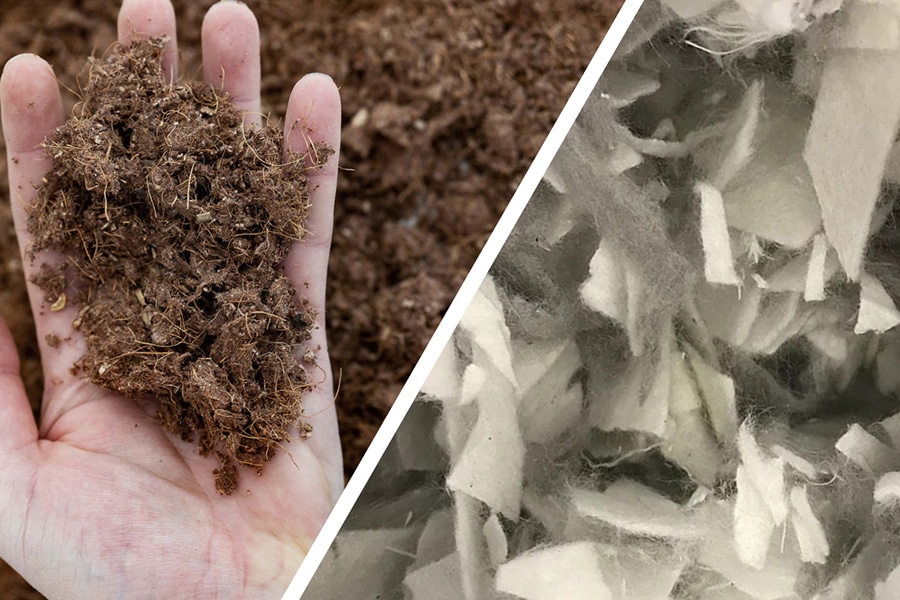
Physical hand inspection of polyester flakes showing variable cut profiles and synthetic fibers.
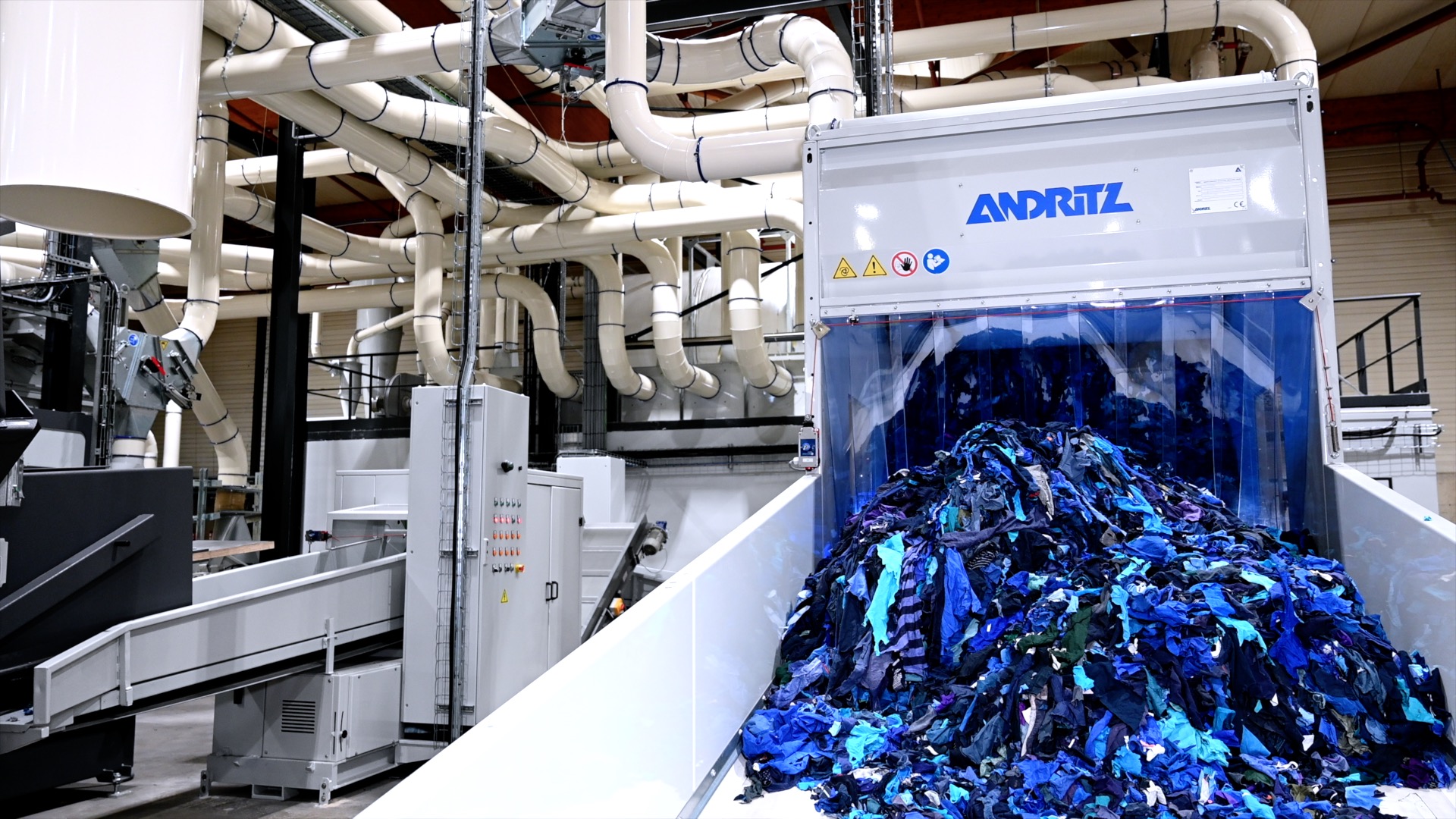
Textile cutting and shredding facility with rotary blades calibrated for arena flakes.
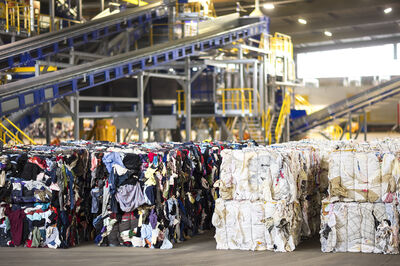
Textile feedstock sorting to isolate clean synthetic polymer from contaminants.
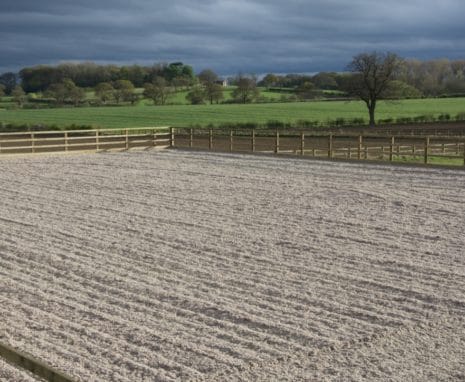
Close-up of blended arena surface: flakes interlock sand grains to reduce displacement.
Available Material Data & Project Confirmation Basis
We present baseline manufacturing capabilities alongside specific data points that are confirmed against each buyer's project brief. No unverified laboratory claims or invented fixed numbers are published.
| Parameter | Standard Supply Scope | Project Confirmation Basis |
|---|---|---|
| Polymer Composition | Synthetic Polyester (PET) nonwoven fabric matrix | Material safety data and raw input origin verified per batch |
| Feedstock Source | Selected nonwoven textile offcuts or virgin-grade synthetic material | Virgin only or selected recycled grade confirmed upon request |
| Flake Dimensions & Cut Profile | Variable planar pieces and fibrous trimmings | Screen sizing adjusted on cutting mills to client project brief |
| Color Options | Light / Off-White, or Mixed Multi-color option | Off-white preferred for competition venues; mixed for training |
| Moisture Condition | Dry-packed under hydraulic compression | Moisture condition checked prior to baling |
| Packaging Format | High-compression export bales with protective wrapping | Bale net weights and pallet loading confirmed per order |
| Minimum Order Quantity (MOQ) | Standard FCL container loads; LCL trial crates for testing | Confirmed based on project area and destination logistics |
| Production Lead Time | Coordinated with production schedule and shipping vessel booking | Confirmed upon final specification sign-off at Qingdao Port |
| Sample Availability | Physical sample pack dispatched via international courier | Provided for bench mixing and sieve comparison tests |
Before finalizing application recommendations or contractual supply specs, the project team should supply: local sand sieve analysis (or representative sand sample), total arena area and working depth, whether the arena is indoor or outdoor, watering system capabilities, and target riding discipline.
Polyester Textile Flakes vs. Polyester Arena Fiber
Arena contractors frequently compare flakes and loose individual fibers. Both serve distinct mechanical functions within an arena surface matrix:
| Feature | Polyester Textile Flakes | Polyester Arena Fiber |
|---|---|---|
| Physical Structure | Planar nonwoven fabric fragments (2D/3D cloth-like pieces) | Individual monofilament or staple synthetic strands (1D linear fibers) |
| Primary Mechanical Role | Holds moisture in fabric pores and provides resilient cushioning | Forms a root-like tensile lattice that binds sand grains together |
| Water Relationship | High moisture absorption in fabric pores; extends time between watering | Does not absorb water inside filaments; relies on sand capillary moisture |
| Surface Feel & Cushion | Dampens vertical impact, softens compacting sand, provides rebound | Increases shear resistance, provides firmer footing, limits hoof slide |
| Common Sand Pairings | Fine-to-medium silica sands with moderate angularity | Sub-angular to rounded sands that lack natural cohesion |
| Combined Solution | Many competition venues combine both: flakes for moisture retention and rebound, with fibers for shear grip. Explore our Custom Fiber & Textile Blend. | |
Sand Compatibility & On-Site Trial Mixing Method
No additive can compensate for crushed clay, heavy silt, or oversized gravel. Sand compatibility must be verified prior to bulk ordering. The ideal sand profile features washed silica grains with low silt/clay content and sub-angular geometry that allows fibers to seat without excessive pulverization.
Illustrative Pilot Bay Trial Procedure (Contractor Guide)
* The following sequence is an illustrative operational guideline for contractor review. Actual trial dimensions, additive ratios, and water volume must be determined on-site according to local sand conditions and contractor equipment.
- Bench Sample Blend: In a clean container, mix a small batch of dry arena sand with sample flakes. Add water until damp and squeeze by hand. The mixture should form a cohesive ball that holds its shape without crumbling or weeping excess water.
- Mark a Controlled Pilot Bay: Stake out a representative test bay away from main gates. Loosen the upper sand layer, ensuring the underlying base is completely undisturbed.
- Even Distribution: Hand-broadcast or drop-spread the flakes evenly over the marked bay. Do not deposit in isolated heaps.
- Controlled Incorporation: Run an arena cultivator or power harrow at a controlled depth within the upper sand profile. Never allow tines to touch the compacted base layer.
- Water & Inspect: Water thoroughly, compact lightly with a roller, and observe hoof penetration after horse movement under normal conditions.
Installation Cautions & Grooming Guidelines
Moisture Discipline
Flakes require baseline moisture to maintain their sponge effect. In indoor arenas, implement scheduled watering cycles. If allowed to dry out completely, flakes can float to the surface during aggressive dragging.
Base Protection
Never set groomer tines deeper than the footing sand layer. Penetrating into the crushed rock, asphalt, or clay base will contaminate the footing with rocks and permanently damage arena drainage.
Grooming Equipment Selection
Use groomers equipped with spring tines, a leveling blade, and a crumbler or mesh roller. Simple chain harrows lack the vertical blending action required to maintain even flake distribution.
Traffic Redistribution
Rider traffic naturally forces footing toward the arena fence. Regularly pull footing off the track and outer rail back toward the center with an angled side scraper.
Packaging, Samples, MOQ & International Shipping
Export Packaging Options
High-compression hydraulic bales protected by UV-resistant heavy-gauge polyethylene wrapping and reinforced strapping. Bales can be strapped to export pallets or floor-loaded in containers based on shipping preferences.
Sample Policy & Trials
Standard sample cartons are available for genuine arena builders, distributors, and facility managers. Samples are shipped via courier with full batch documentation.
Quality Control Points & Available Buyer Documentation
Processing controls applied during production to ensure clean, consistent material:
FAQs for Polyester Textile Flakes
How is the required quantity of textile flakes calculated?
Addition rates depend on footing depth, sand gradation, and discipline requirements. Fine sands typically require different inclusion levels than coarse sands. Use our Footing Calculator or send your arena dimensions to our technical team for an initial calculation.
Can polyester textile flakes be added to existing arena sand?
Yes, provided the existing sand is relatively clean, not heavily contaminated with decomposed manure or silt fines, and has a consistent working depth over a sound base. We recommend reviewing a sand sample or conducting a pilot bay trial first.
Will polyester flakes rot or break down in the sand?
Polyester (PET) is a synthetic polymer that does not absorb moisture into the fiber core, meaning it will not rot or ferment in equestrian footing under normal operating conditions.
Can you supply off-white flakes for competition arenas?
Yes. We offer sorted off-white synthetic nonwoven flakes, which provide a clean appearance favored in dressage and show-jumping competition facilities.
What machinery is recommended to mix the flakes into the sand?
A standard tractor equipped with a rotary cultivator or power harrow is commonly used for initial incorporation. For ongoing daily maintenance, an arena groomer with leveling tines and a roller is recommended.
How are the flakes packed for ocean shipping?
Material is compressed into export bales bound with strapping and wrapped in protective film. Full container loading plans are confirmed per order.
What is the difference between nonwoven flakes and shredded woven textile?
Nonwoven flakes are derived from needle-punched synthetic material that does not unravel into long loose strings. In contrast, woven fabrics can fray into long yarn threads that may tangle around hooves or equipment. We prioritize nonwoven material for clean, consistent blending.
Deepen Your Arena Design Knowledge
* Note on Surface Systems: Polyester textile flakes are an additive component within an overall equestrian surface system. Final performance, resilience, and drainage remain contingent on base construction, sand grain geometry, moisture discipline, and routine maintenance protocols. Specifications and supply terms are confirmed in writing for each individual commercial order.