Synthetic Staple Fibers for High-Traction Sand Surfaces
Polyester arena fiber consists of engineered synthetic polymer strands formulated for mechanical integration into equestrian sand. Supplied in bulk compressed bales by ArenaFiber to arena builders, commercial equestrian centers, and footing manufacturers, these fibers create a sub-surface tensile network mimicking the root structure of natural turf. They lock round or loose sand grains in place, minimize hoof sliding during aggressive turns, and provide stable, secure take-off and landing footing. All fiber dimensions, tensile grades, and export arrangements are verified prior to production.
Physical Fiber Characteristics & Sand Interlocking
Photographs below show the actual loose synthetic fiber texture, fiber blending within arena sand, manufacturing extruders, and the resulting hoof surface stability.
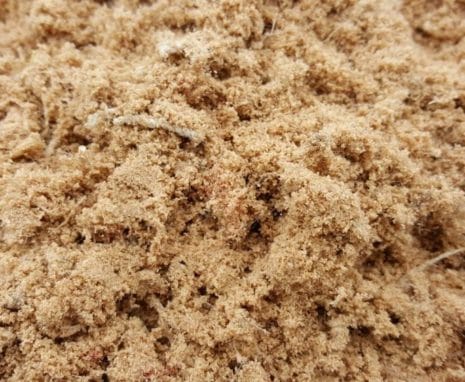
Macro close-up of synthetic polyester fibers displaying crimp geometry for mechanical sand interlock.
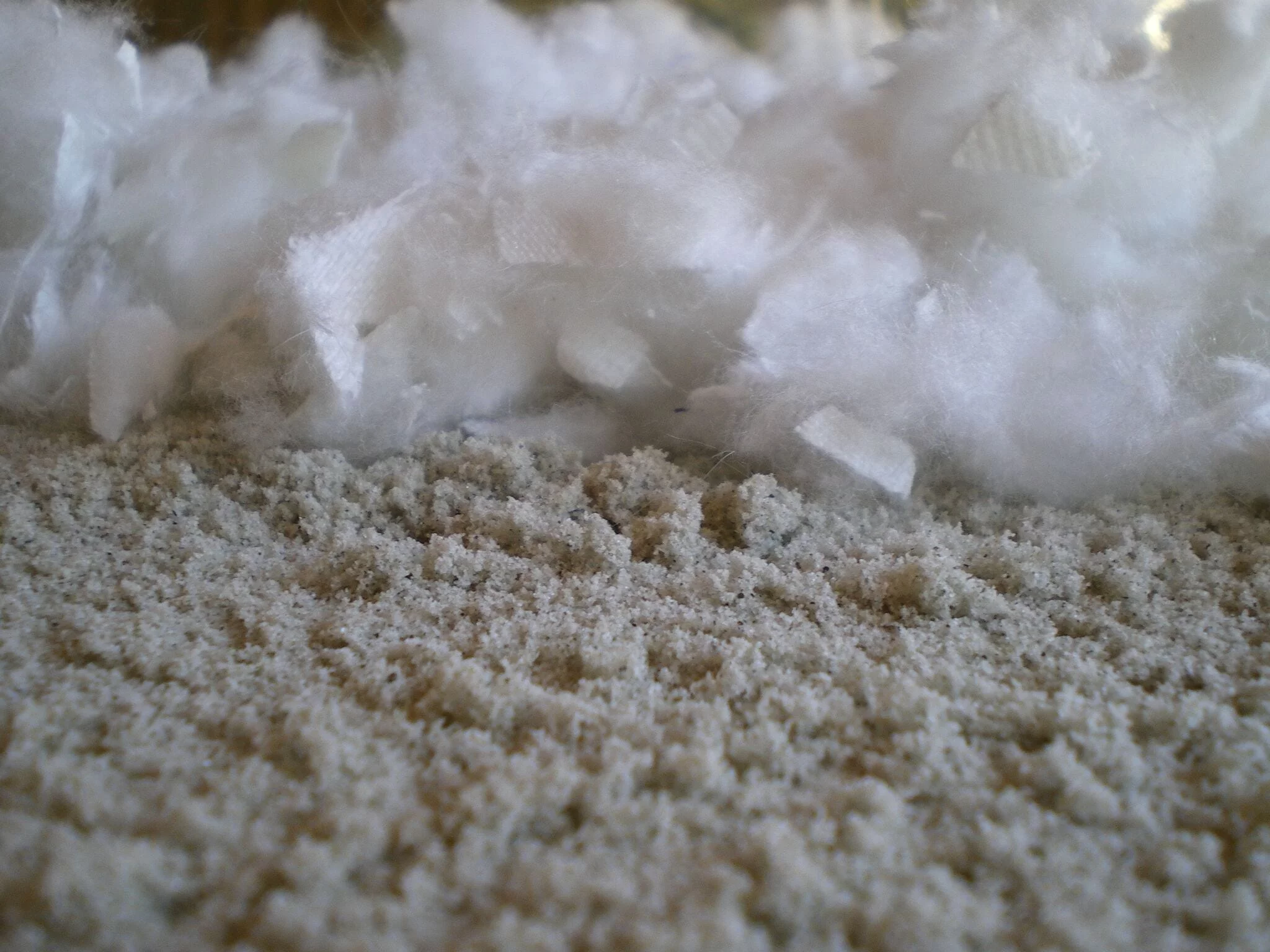
Synthetic fiber evenly distributed through washed arena silica sand, creating an interlocking mesh.
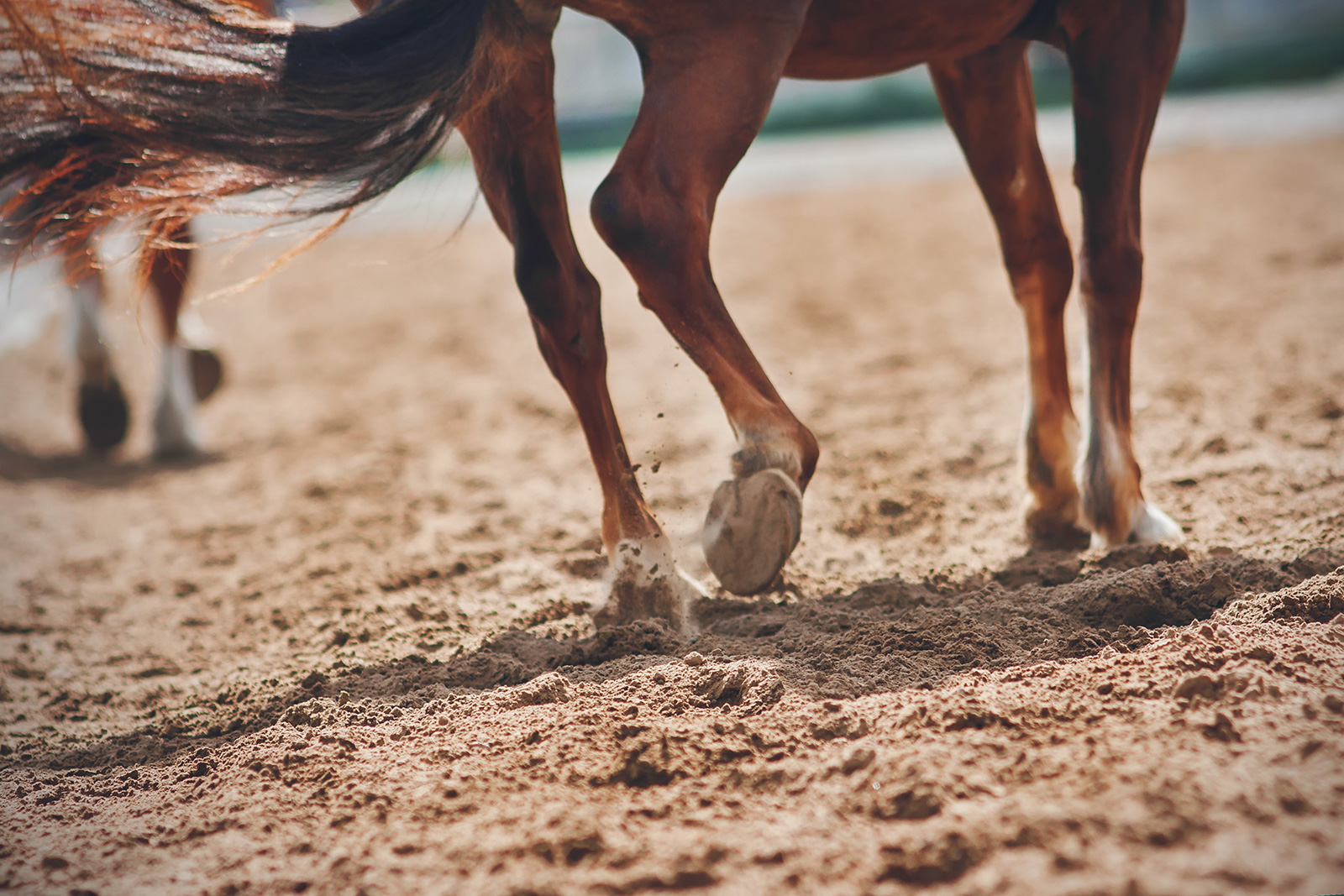
Hoof interaction on fiber-stabilized footing: controlled slide on impact with firm, secure support.
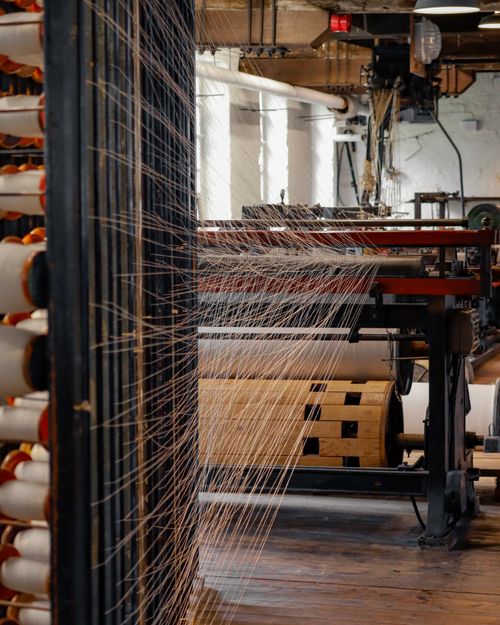
Fiber extrusion and crimping facility equipped with automated cut-length controls.
Available Fiber Data & Project Confirmation Basis
We present baseline manufacturing capabilities alongside specific data points that are confirmed against each buyer's project brief. No unverified laboratory claims or invented fixed numbers are published.
| Parameter | Standard Supply Scope | Project Confirmation Basis |
|---|---|---|
| Polymer Composition | Synthetic Polyester (PET) staple fiber | Material safety data and chemical inertness confirmed per batch |
| Fiber Geometry & Crimp | Crimped staple strands (3D profile designed for sand locking) | Crimp density calibrated to maximize sand mechanical interlock |
| Cut Length Options | Staple fiber lengths tailored for equestrian surfaces | Selected based on sand sieve gradation, depth, and mixing tools |
| Linear Density / Denier | Standard and heavy denier grades available | Confirmed based on target riding discipline and surface firmness |
| Color Options | White, Natural Off-White, or Light Sand Tone | Clean white standard for high-end indoor dressage and show arenas |
| Packaging Format | High-compression hydraulic bales with protective outer wrapping | Bale net weights and pallet strapping confirmed per order |
| Minimum Order Quantity (MOQ) | Standard FCL container loads; LCL trial crates for testing | Confirmed based on project area and destination logistics |
| Production Lead Time | Coordinated with production schedule and shipping vessel booking | Confirmed upon final specification sign-off at Qingdao Port |
| Sample Availability | Physical sample pack dispatched via international courier | Available for sand compatibility testing and contractor review |
To recommend exact cut length, denier, and inclusion rates, we request: current or proposed sand sieve gradation, arena square meters, target riding discipline (e.g. show jumping vs. dressage), whether horses wear studs/calks, and available mixing equipment.
Polyester Arena Fiber vs. Polyester Textile Flakes
Evaluating linear staple fiber versus planar textile flakes:
| Feature | Polyester Arena Fiber | Polyester Textile Flakes |
|---|---|---|
| Primary Mechanical Function | Builds a 3D tensile root structure; resists shear stress and deep rutting | Creates elastic vertical cushions and micro-reservoirs for moisture retention |
| Hoof Surface Interaction | Provides secure grip, firm support for propulsion, limits rolling | Absorbs shock on landing, provides elastic rebound, softens hard sand |
| Water Relationship | Does not absorb water inside filaments; relies on capillary sand moisture | Traps moisture within nonwoven fiber pores; reduces watering frequency |
| Mixing Method | Requires cross-harrowing to separate and distribute strands | Blends readily into sand using conventional rotary tillers or arena drags |
| Target Disciplines | Show Jumping, Hunter, Eventing, Polo, and multi-purpose arenas | Dressage, Riding Schools, Reining/Western, and indoor training centers |
| Combined Application | For equestrian centers requiring both high shear grip and resilient moisture retention, we formulate combined ratios. Review our Custom Fiber & Textile Blend. | |
Sand Compatibility & Pilot Trial Mixing Method
Polyester fiber performs effectively in clean silica sand. When mixed with rounded sand particles, the fibers act as microscopic anchors, bridging between grains that would otherwise roll like ball bearings. However, sand containing high clay or silt content will coat the fibers, impeding proper mechanical interlock.
Illustrative Pilot Bay Trial Procedure (Contractor Guide)
* The following sequence is an illustrative operational guideline for contractor review. Actual trial dimensions, additive ratios, and water volume must be determined on-site according to local sand conditions and contractor equipment.
- Hand-Spread Separation Test: Take a small clump of fiber from the bale. Fluff it apart by hand; it should open into a loose, airy state without hard compacted nodules.
- Bench Compaction Test: Blend a small sample of your arena sand with opened fiber in a clean container. Add water to reach normal riding dampness and compact lightly. The blend should feel firm yet elastic, resisting finger penetration without crumbling.
- Mark a Controlled Pilot Bay: Stake out a test bay in your arena. Level the sand to the intended working depth while keeping the base undisturbed.
- Even Fluffing & Broadcasting: Pull fiber apart into loose handfuls and scatter evenly across the area. Avoid dumping dense bale chunks onto the sand.
- Cross-Direction Harrowing: Harrow lengthwise, then diagonally, within the upper sand profile. Ensure tines stay well above the base layer.
- Moisture & Riding Review: Apply water, roll lightly, and observe horse movement over the test section to evaluate hoof stability.
Grooming & Moisture Discipline for Fiber Surfaces
Prevent Fiber Separation
If sand dries out completely, fibers can separate and ride up to the surface under repeated grooming. Maintain consistent moisture throughout the footing depth to keep fibers interlocked with sand grains.
Tine Depth Verification
Check your arena drag tines regularly. Wear can alter working depth. Tines must cultivate the upper sand layer without puncturing the sub-base or clay foundation.
Watering Routine
Water before grooming rather than after. Wetting the sand prior to harrowing allows the drag to blend moisture evenly through the fiber matrix rather than leaving a crust on top.
Manure Removal
Pick manure daily before harrowing. Organic waste broken down by dragging introduces fine particles that coat the fibers and degrade footing performance over time.
Packaging, Samples, MOQ & International Shipping
Compressed Baling & Protection
Fibers are packed into heavy-duty bales under hydraulic compression, encased in protective outer wrapping with reinforced strapping for safe container transport and weather protection.
Sample Policy & Fast Dispatch
Sample boxes are available for arena builders and commercial contractors. Courier dispatch provides rapid arrival for bench testing with local quarry sand.
Quality Control Points & Available Buyer Documentation
Processing controls applied to ensure clean, consistent material:
FAQs for Polyester Arena Fiber
How is the required fiber addition rate determined?
Application rates depend on footing depth, sand gradation, and discipline requirements. Show jumping arenas typically require different shear resistance than flatwork or multi-use arenas. Contact our technical team with your dimensions for an arena-specific calculation.
How does polyester fiber compare to polypropylene (PP) fiber?
Polyester is naturally denser than water and stays integrated within damp sand rather than floating to the surface, making it well-suited for both indoor arenas and outdoor tracks subject to rain.
Will polyester fiber work in an outdoor arena?
Yes. Polyester is resistant to outdoor weathering and does not rot. Its higher density ensures it remains integrated within the sand bed rather than washing away in heavy downpours, provided the arena has adequate drainage slopes or sub-surface pipes.
How do cut lengths affect footing behavior?
Shorter fibers blend easily in fine sands and are popular for dressage where clean hoof penetration is valued. Longer fibers provide stronger tensile interlocking, making them suitable for jumping take-off and landing zones in coarse or rounded sands.
How do you open compressed fiber bales during installation?
Cut the baling straps and use a mechanical bale shredder or pitchforks to fluff the fiber into a loose, airy state before spreading. Never drop dense, compressed bale blocks directly into the sand, as un-opened clumps will not harrow in evenly.
Can you combine polyester fiber with textile flakes?
Yes, combining loose fibers with textile flakes is widely used for competition arenas. The fiber builds a root-like shear structure, while the flakes hold moisture and provide resilient cushioning.
How is container shipping arranged?
Material is compressed into export bales to maximize container volume. Container loading plans are confirmed with each commercial order through Qingdao Port.
Deepen Your Arena Design Knowledge
* Note on Surface Systems: Polyester arena fiber is an additive component within an overall equestrian surface system. Final performance, resilience, and drainage remain contingent on base construction, sand grain geometry, moisture discipline, and routine maintenance protocols. Specifications and supply terms are confirmed in writing for each individual commercial order.